Which Generation
Are You?

Enter your birth year to instantly discover your generation — from Baby Boomers to Gen Z to Gen Alpha. Explore where you orbit in history.

You belong to

Deep Dive

Every Generation, From Boomers to Zoomers

Click any card to explore how each generation grew up, what shaped them, and what still drives them today.

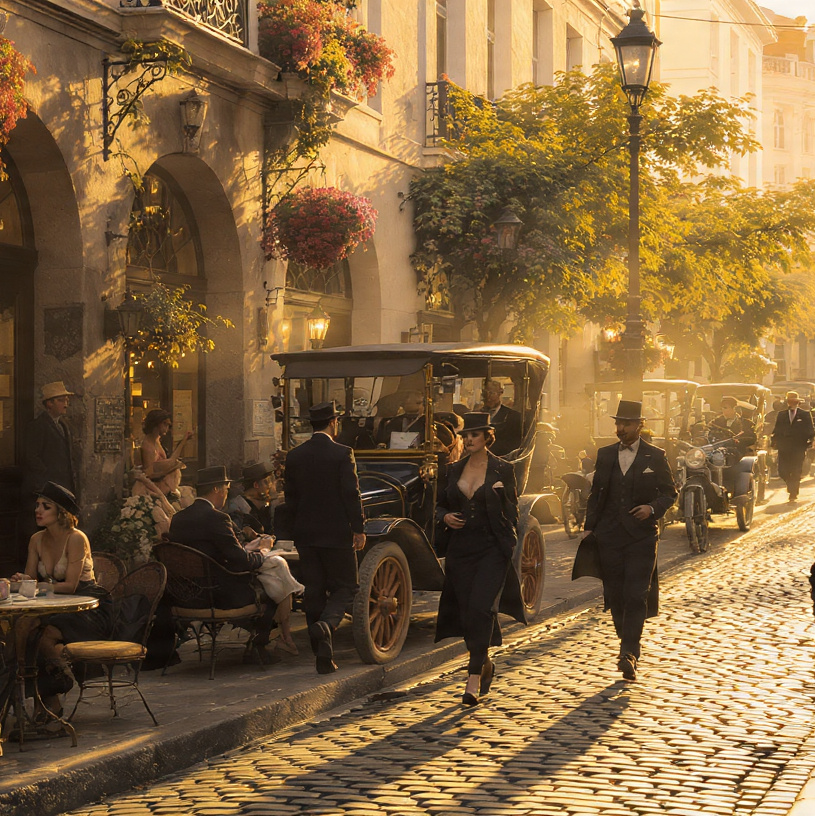
Lost Generation — historical scene from the 1920s
Lost Generation
1901–1927
Age 99–125 · Lost Gen

They came back from the trenches of Europe as teenagers and found a world that had already moved on. Prohibition made America a nation of speakeasies. The response? Move to Paris, write novels, play jazz until sunrise. Hemingway, Fitzgerald, Gertrude Stein — they didn't just describe the disillusionment, they turned it into a whole aesthetic. The first generation to openly question whether the system was worth believing in.

Post-war wanderers Jazz obsessed Literary rebels
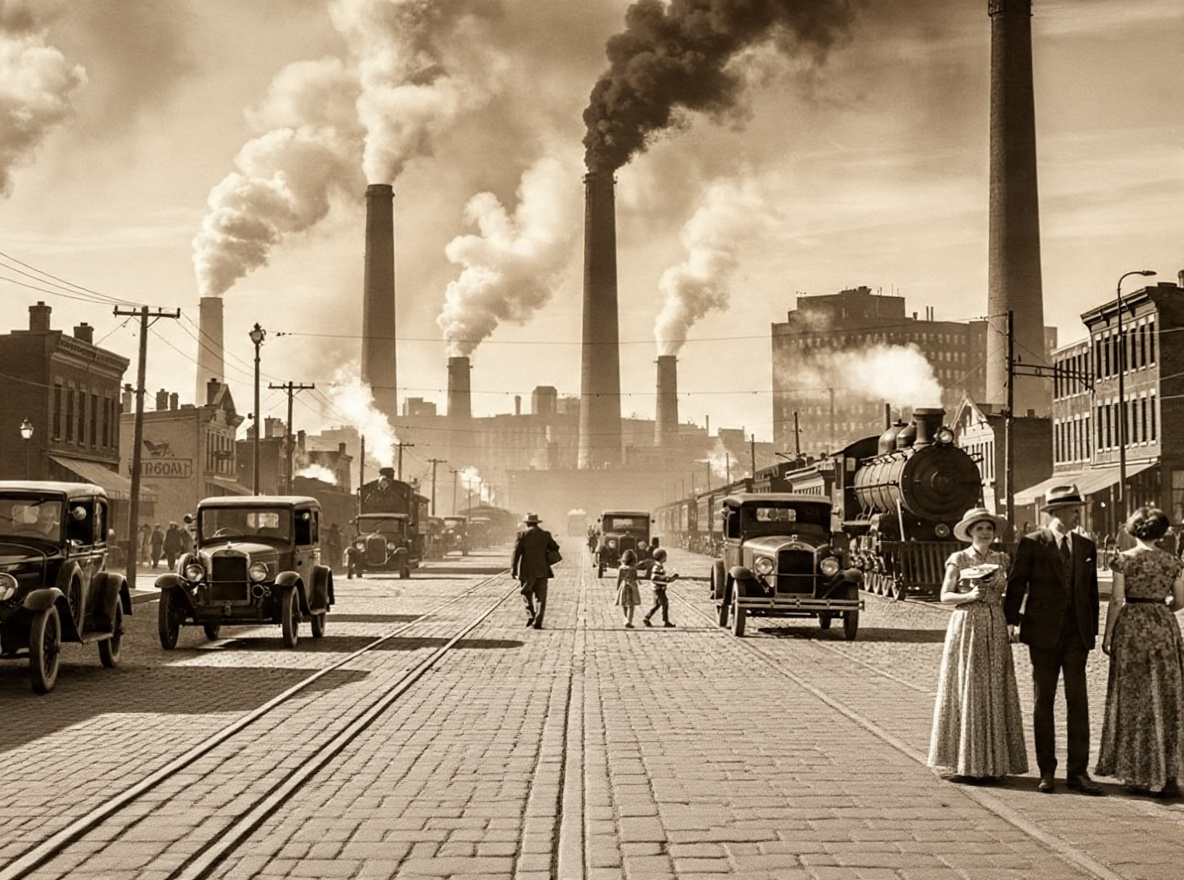
Greatest Generation — World War II veterans
Greatest Generation
1910–1924
Age 102–116 · Greatest Gen

Childhood in the Depression. Their twenties on a battlefield. They came home, bought a house, and never made a big deal of any of it. Tom Brokaw named them in 1998 — not to flatter, just to state facts. From Normandy to the Marshall Plan, from rural America to the suburbs of Sydney and London, this generation rebuilt the postwar world practically from scratch, and mostly without complaining at dinner.

Duty-bound Community-first Built the postwar world
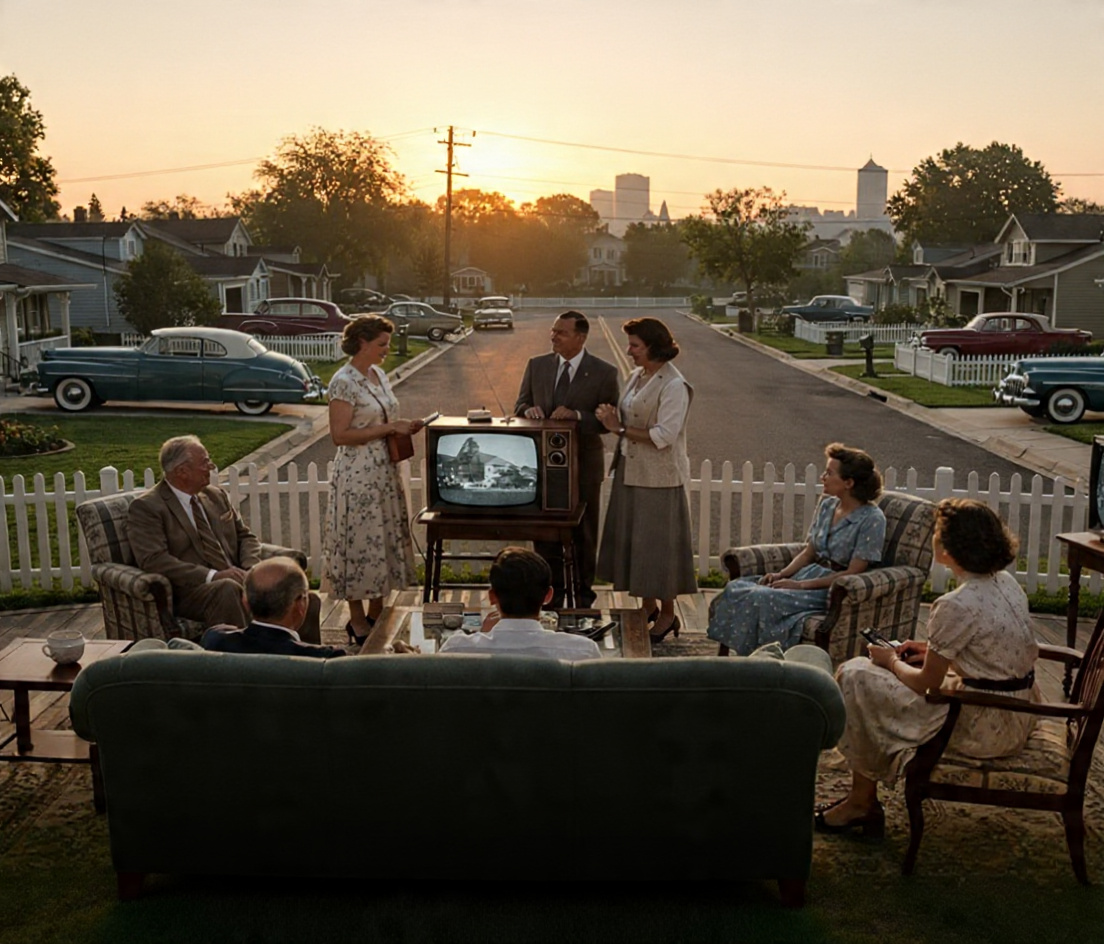
Silent Generation — 1940s and 1950s era photograph
Silent Generation
1928–1945
Age 81–98 · Silents

Sandwiched between the war heroes and the counterculture kids, the Silents got stuck with a reputation for keeping their heads down. A 1951 Time article gave them the name — fair, given McCarthyism was still running hot. But look at the actual record: Martin Luther King Jr., Nelson Mandela, the architects of civil rights on multiple continents. Called silent. Left anything but a quiet legacy.

Disciplined Quietly revolutionary Institution builders
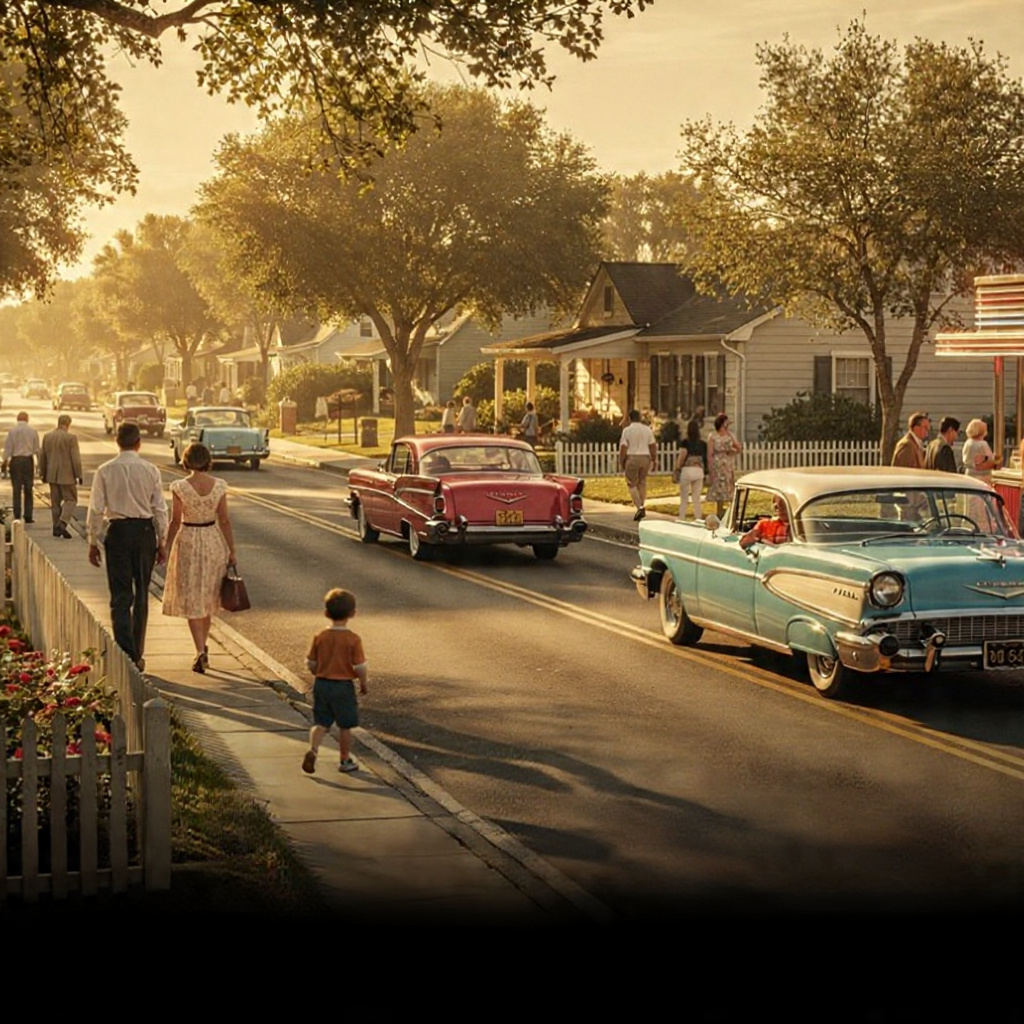
Baby Boomers — post-war generation 1950s and 1960s
Baby Boomers
1946–1964
Age 62–80 · Boomers

When the soldiers came home, birth rates exploded — not just in America but across Australia, Canada, the UK, and Western Europe. Boomers grew up in the most prosperous stretch the industrialised world had seen, protested Vietnam, marched for civil rights, and went on to dominate politics and business for four straight decades. They still do. And the wealth gap they've accumulated is a consistent story whether you're looking at the US, the UK, or Australia.

Idealistic turned establishment Home-owning Still voting in every election
Generation X — 1980s youth and MTV culture
Generation X
1965–1980
Age 46–61 · Gen X

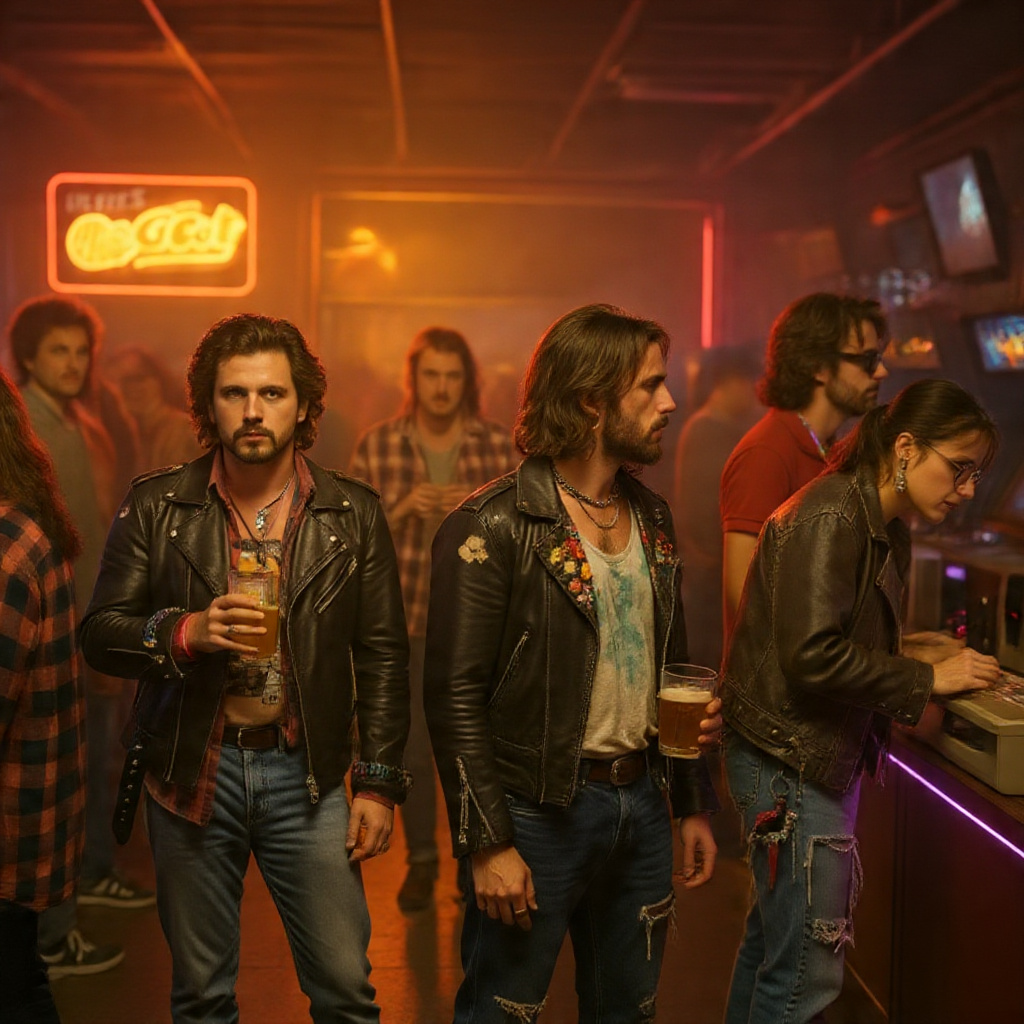
Let themselves in after school with a key around their neck, watched MTV until dinner, and raised themselves while both parents worked. Gen X grew up during Reagan and Thatcher, watched the Berlin Wall come down on live TV, lost friends to AIDS, and saw the early internet become something no one had predicted. Squeezed between Boomers and Millennials, they're the most under-discussed generation alive — and they've genuinely stopped caring about that.

Self-sufficient Skeptical of hype Quietly running things
Millennials — early internet era and smartphones
Millennials
1981–1996
Age 30–45 · Gen Y

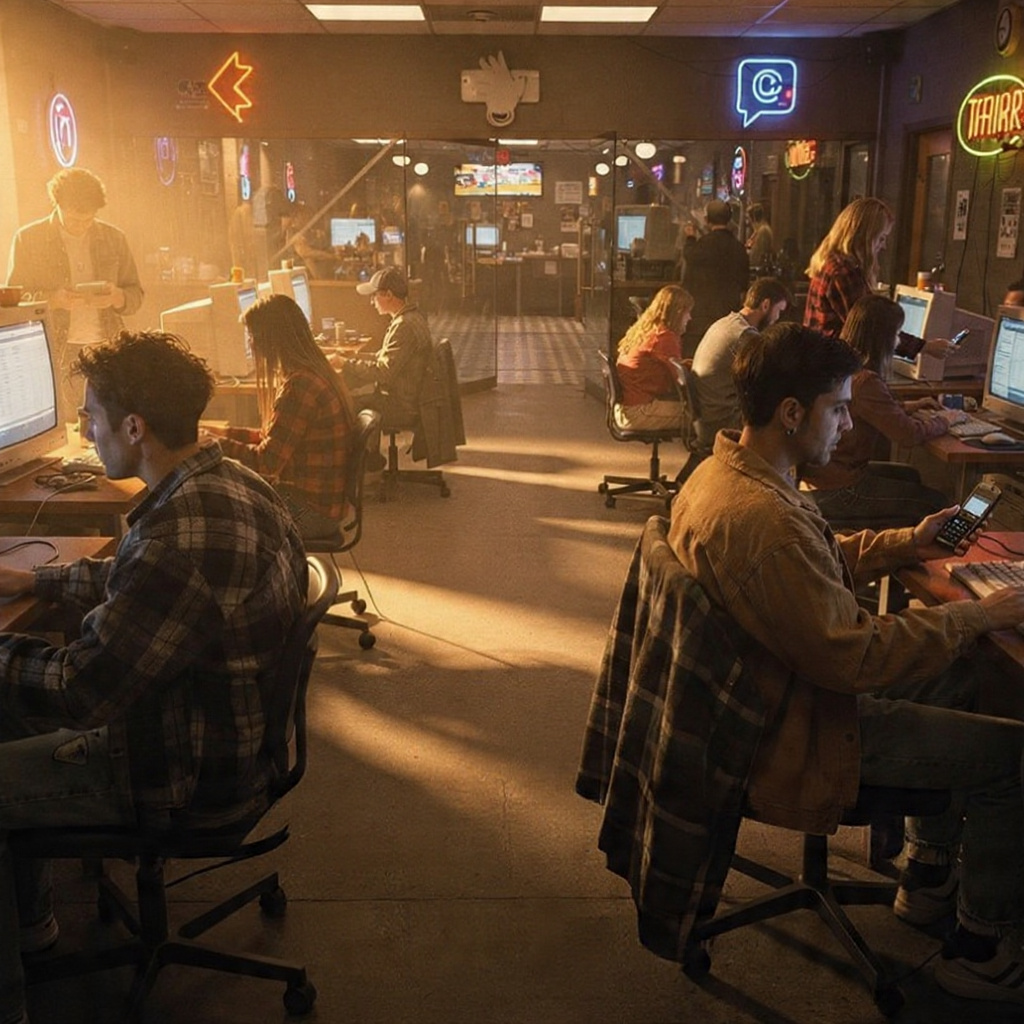
The most written-about generation in history, mostly by people who got it wrong. They grew up on dial-up internet, came of age watching 9/11 and the 2008 crash reshape everything they'd been promised, and took on record debt for degrees the market didn't fully reward. Delayed marriage, delayed kids, delayed homes — not laziness, just the maths. Now in their 30s and 40s, they're the largest cohort in the global workforce, and the narrative is finally shifting.

Purpose-driven Debt-saddled Didn't kill anything
Generation Z — digital natives with smartphones
Generation Z
1997–2012
Age 14–29 · Zoomers

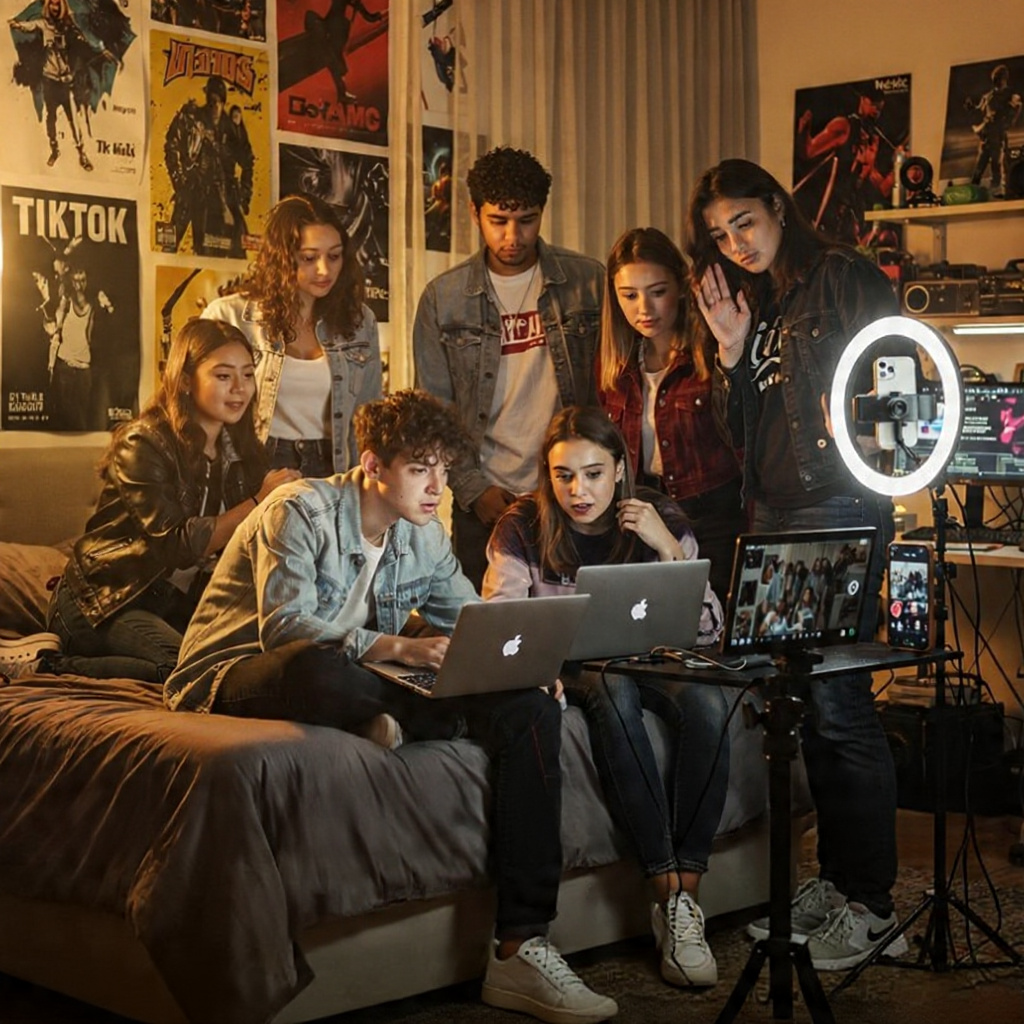
For Zoomers, there was never an "online" — it was always just life. The most ethnically and culturally diverse generation on record, across nearly every country that's tracked it. They went through school lockdown drills, watched a pandemic erase their late teens, and are now entering job markets that look nothing like the ones their parents navigated. More pragmatic than cynical, more globally connected than any generation before, and deeply tired of being misread.

Digitally fluent Pragmatic Most diverse gen on record
Generation Alpha — children born after 2013 with technology
Generation Alpha
2013–Present
Age 0–13 · Alphas

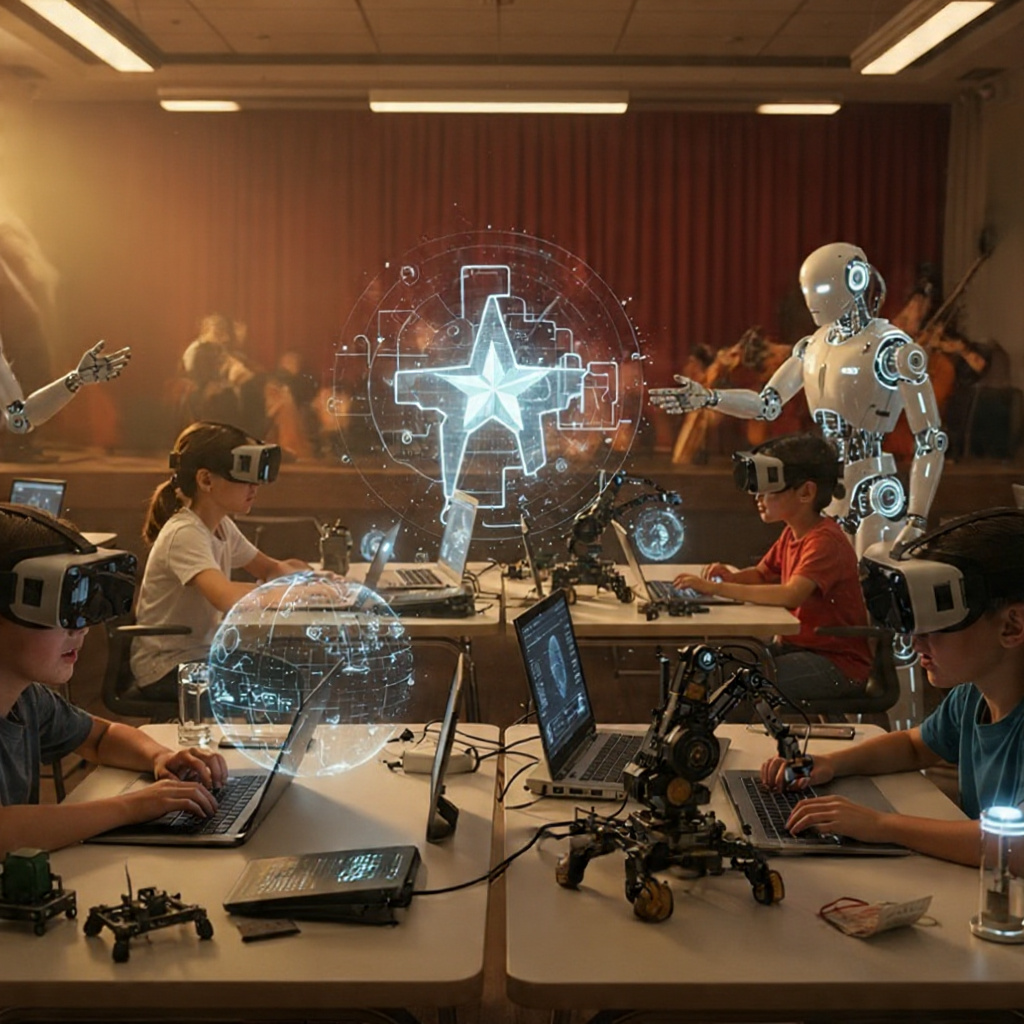
The first generation born entirely in the 21st century — and the first for whom AI assistants were simply part of the furniture. Kids of Millennials, mostly. They learned to swipe before they could write, had their early schooling interrupted by COVID, and are growing up in a world where the climate crisis isn't a future problem — it's the backdrop to childhood. Australian researcher Mark McCrindle named them in 2005. Their story is still being written.

AI-native Screen-fluent Still being shaped
Reference

Generation Years — Quick Reference

All generation birth year ranges, ages in 2026, and common nicknames at a glance.

Generation Birth Years Age in 2026 Nickname
Lost Generation 1901–1927 99–125 Lost Gen
Greatest Generation 1910–1924 102–116 Greatest Gen
Silent Generation 1928–1945 81–98 Silents
Baby Boomers 1946–1964 62–80 Boomers
Generation X 1965–1980 46–61 Gen X
Millennials 1981–1996 30–45 Gen Y
Generation Z 1997–2012 14–29 Zoomers
Generation Alpha 2013–Present 0–13 Alphas
Portraits

Generation Portraits

A closer look at the events, values, and defining moments that shaped each generation — from both sides of the Atlantic and beyond.

Lost Generation — 1920s jazz age and post-WWI America
🌍 1901–1927

Lost Generation

"They fought the war to end all wars — then needed a drink."

They shipped off to the trenches as teenagers and came back to a world that had moved on without them. Across Europe, the grief was architectural — whole villages gone, entire male age groups erased. In America, Prohibition was supposed to clean things up. Instead it handed organized crime a business model. The Lost Generation responded by moving to Paris, drinking heavily, and writing some of the most enduring literature in the English language. Hemingway, Fitzgerald, Gertrude Stein — they didn't set out to be a movement. They were just people trying to make sense of what they'd survived. The name stuck because it was honest: a generation cut loose from the values they'd been raised on, trying to figure out what to believe instead.

Defining moments
WWI, Prohibition, the Roaring Twenties, Wall Street Crash of 1929
Notable figures
Ernest Hemingway, F. Scott Fitzgerald, Louis Armstrong, Coco Chanel, T.S. Eliot
Technology they lived through
Radio, automobiles going mainstream, silent films giving way to talkies
What they left behind
Jazz, modernist literature, and the blueprint for what cool looks like
Resilient Disillusioned Jazz-age rebels
🎷
Jazz & Art
✍️
Literature
🚗
Modernity
Greatest Generation — WWII veterans and post-war rebuilding
🎖️ 1910–1924

Greatest Generation

"Saved the world. Came home. Mowed the lawn."

These are the people who grew up in breadlines and then stormed the beaches of Normandy in their twenties. Not just Americans — Canadians, Australians, New Zealanders, Brits, Free French, Poles — an entire generation of young people across the Allied world who did what needed doing and then got on with things. After the war, they built interstate highways, created the middle class, and funded the welfare state across Europe and beyond. Tom Brokaw called them the Greatest Generation in 1998 and the label held because, honestly, the track record is hard to argue with. They packed more hardship and achievement into a single lifetime than most generations could imagine. And they rarely talked about it.

Defining moments
The Great Depression, WWII, the Marshall Plan, the GI Bill, the founding of the UN
Notable figures
Winston Churchill, Nelson Mandela (b. 1918), Neil Armstrong, Simone de Beauvoir
Technology they lived through
Nuclear power, commercial aviation, television entering homes worldwide
What they left behind
The modern welfare state, suburbia, NASA, and the strongest middle class in history
Patriotic Self-sacrificing Community-first
🌍
Duty & Country
🤝
Community
💪
Hard Work
Silent Generation — 1940s and 1950s
📻 1928–1945

Silent Generation

"Called silent. Gave the world some of its loudest voices."

A 1951 Time magazine piece used the phrase to describe young Americans who seemed more interested in fitting in than speaking up. McCarthyism was still active. Saying the wrong thing could cost you a career or a passport. But look past the surface and you find Martin Luther King Jr. leading the Montgomery Bus Boycott, Nelson Mandela organising the ANC Youth League, Elvis Presley dismantling the colour line in music, and a generation of lawyers and activists quietly building the legal framework for civil rights on multiple continents. The '60s counterculture got the headlines. The Silents did much of the actual groundwork.

Defining moments
Korean War, McCarthyism, Brown v. Board, early civil rights, decolonisation across Africa and Asia
Notable figures
MLK Jr., Nelson Mandela, Elvis Presley, Marilyn Monroe, Johnny Cash, Che Guevara
Technology they lived through
Television in the living room, jet travel, motorways and interstate highways
What they left behind
The legal foundation for civil rights, rock 'n' roll, and postwar institutional design
Disciplined Quietly radical Hardworking
📻
Radio & TV
⚖️
Civic Order
💰
Thrift
Baby Boomers — Woodstock and 1960s counterculture
🌸 1946–1964

Baby Boomers

"Had Woodstock, the moon landing, and Watergate all before 30."

When the soldiers came home, birth rates surged — not just in America but across Australia, Canada, the UK, and Western Europe. The Boomer boom was a global exhale after years of war and rationing. This generation grew up during the most prosperous stretch the industrialised world had ever seen, then turned around and questioned every institution that made it possible. Vietnam protests. Women's liberation. Civil rights marches. Watergate. By the time Boomers hit 30, they'd watched more history happen than most people see in a lifetime. They went on to dominate politics and business for four decades. They still do. And the wealth concentration — whether you look at the US, the UK, or Australia — tells a consistent story: Boomers accumulated more and held it longer than any generation expected.

Defining moments
Vietnam War, the Moon Landing, Woodstock, Watergate, the Oil Crisis, Thatcherism and Reaganism
Notable figures
Steve Jobs, Oprah Winfrey, Angela Merkel, Tony Blair, Bruce Springsteen, Toni Morrison
Technology they lived through
Colour television, space travel, the personal computer arriving at home
What they left behind
Rock music, the 401(k), consumer culture, and some significant structural inequalities
Optimistic Work-centric Counterculture turned establishment
✌️
Peace & Rights
💼
Career
🏠
Homeownership
Generation X — MTV era latchkey kids and 1980s culture
📼 1965–1980

Generation X

"The forgotten middle child — and they've heard that one before."

Gen X got home from school, let themselves in with a key around their neck, and watched MTV until dinner. Both parents worked. Divorce rates were climbing. Nobody was particularly concerned with their self-esteem. They grew up under Reagan and Thatcher, watched the Berlin Wall fall on live TV, lost friends to AIDS, and witnessed the internet become something no one had planned for. Douglas Coupland named them in his 1991 novel — the generation with no label, no great defining cause, no obvious place in the story. Today Gen X is quietly managing the world's companies, households, and ageing parents, all at once, and mostly without making a fuss about it.

Defining moments
Reaganism and Thatcherism, the AIDS crisis, the fall of the Berlin Wall, the Gulf War, grunge
Notable figures
Kurt Cobain, Jeff Bezos, Dave Chappelle, Björk, Lena Headey, Jay-Z
Technology they lived through
MTV, VHS, personal computers, dial-up internet, the first mobile phones
What they left behind
Grunge, indie culture, the startup economy, work-life balance as a concept worth fighting for
Independent Skeptical Self-reliant
📼
MTV & Pop Culture
⚖️
Work-Life Balance
🔑
Independence
Millennials — first internet generation born 1981 to 1996
💻 1981–1996

Millennials

"The generation that got blamed for everything and inherited the bill."

Millennials are the most written-about generation in history, and most of it missed the mark. They grew up on dial-up internet and came of age watching 9/11 and the 2008 financial crash reshape everything they'd been promised. They took on record levels of student debt for degrees the market didn't fully honour. They delayed marriage, kids, and homeownership — not out of laziness, but because the numbers didn't work. This pattern repeated across the UK, Australia, Canada, and beyond. Now in their 30s and 40s, they're the largest cohort in the global workforce. They started the conversation around mental health at work, pushed companies on purpose and sustainability, and built most of the remote-work infrastructure the rest of the world now relies on.

Defining moments
9/11, the Iraq War, the 2008 financial crisis, the rise of social media, the Arab Spring
Notable figures
Mark Zuckerberg, Beyoncé, Malala Yousafzai, LeBron James, Greta Thunberg (b. 2003 — honourable mention)
Technology they lived through
The internet going from novelty to necessity, smartphones, and social media reshaping everything
What they left behind
The gig economy, remote work culture, the expectation that work should actually mean something
Tech-savvy Values-driven Collaborative
🌍
Sustainability
📱
Digital Life
🤝
Collaboration
Generation Z — Zoomers born 1997 to 2012 digital natives
📱 1997–2012

Generation Z

"The first generation that never had to ask for the WiFi password."

For Zoomers, there was never an "online" — it was always just life. The most ethnically and culturally diverse generation on record, across nearly every country that's tracked it. They went through school lockdown drills, watched a pandemic wipe out their late teens, and are now entering job markets that look nothing like the ones their parents navigated. Research across multiple countries shows Gen Z tends to be pragmatic rather than idealistic — they want financial security more than fame, are more sceptical of higher education debt than any previous cohort, and are deeply attuned to mental health in a way that earlier generations simply weren't equipped to articulate. They're also the first generation to grow up watching climate change unfold in real time, not as a distant warning.

Defining moments
Sandy Hook, the COVID-19 pandemic, BLM protests, climate strikes, #MeToo
Notable figures
Billie Eilish, Greta Thunberg, Olivia Rodrigo, Zendaya, Simone Biles
Technology they lived through
TikTok, AI tools going mainstream, streaming replacing cable, everything moving to cloud
What they're building
The creator economy, mental health awareness in the workplace, a more honest public conversation
Digital-native Pragmatic Socially conscious
🧠
Mental Health
🏳️‍🌈
Inclusivity
🌱
Climate Action
Generation Alpha — children born 2013 onward with AI and tablets
🤖 2013–Present

Generation Alpha

"The first generation who will never remember life before AI."

Generation Alpha are the kids of Millennials — born into a world where Siri, Alexa, and Google Assistant were already household names. They started learning to read around the same time ChatGPT launched. Many had their first school experience interrupted by a pandemic. Australian researcher Mark McCrindle named the cohort in 2005, predicting they'd be the largest generation in history once the cohort closes. Growing up more globally connected and more comfortable with screens than any group before them, they're already challenging assumptions about how children learn, play, and communicate. What that actually produces — the values, the politics, the culture — is still being figured out. The oldest Alphas turn 13 in 2026. Watch this space.

Defining moments
A COVID childhood, AI going mainstream, climate urgency as daily backdrop, remote and hybrid schooling
Notable figures
Still emerging — their cultural figures are being made right now
Technology they're growing up with
AI assistants, AR and VR, smart devices present from birth, generative everything
What's still being written
The oldest Alphas turn 13 in 2026 — their story has barely started
AI-native Global Screen-fluent
🤖
AI & Tech
🌐
Global View
🎮
Gaming & Play
Learn More

What Is a Generation?

A complete guide to understanding generational theory, birth year ranges, and why generations matter.

What Generation Am I? How to Find Out

To find out what generation you are, simply use our free generation calculator above — enter your birth year and we'll instantly tell you your generation, its birth year range, and key characteristics. The most commonly searched generations are Millennials (born 1981–1996), Generation Z (born 1997–2012), and Generation X (born 1965–1980).

Generation Birth Year Chart (2026)

Here is a complete breakdown of all generation birth years, from the oldest living generations to the youngest:

  • Lost Generation: Born 1901–1927 (age 99–125 in 2026)
  • Greatest Generation: Born 1910–1924 (age 102–116 in 2026)
  • Silent Generation: Born 1928–1945 (age 81–98 in 2026)
  • Baby Boomers: Born 1946–1964 (age 62–80 in 2026)
  • Generation X: Born 1965–1980 (age 46–61 in 2026)
  • Millennials (Gen Y): Born 1981–1996 (age 30–45 in 2026)
  • Generation Z (Zoomers): Born 1997–2012 (age 14–29 in 2026)
  • Generation Alpha: Born 2013–present (age 0–13 in 2026)

Am I a Millennial or Gen Z?

If you were born between 1981 and 1996, you are a Millennial (also called Generation Y). If you were born between 1997 and 2012, you are Generation Z — also known as a "Zoomer." People born between 1993 and 1998 are sometimes called "Zillennials," as they share traits of both groups.

What Are Xennials?

Xennials are people born roughly 1977–1983, on the cusp between Generation X and Millennials. They had an analogue childhood but adopted digital technology as young adults — giving them a perspective unique to both generations.

Why Do Generation Dates Differ?

Generational boundaries are sociological constructs with no single official definition. Our calculator follows the most widely-cited ranges from Pew Research and Beresford Research. Different publishers may shift the start or end dates by 1–3 years, which is why you might see slightly different ranges on different websites.

What Is the Next Generation After Gen Z?

The generation after Gen Z is Generation Alpha — people born from 2013 onwards, sometimes up to 2025 or 2028 in some definitions. Named by researcher Mark McCrindle, they are the children of Millennials and the first generation born entirely in the 21st century.

Browse by Year

What Generation Is Each Birth Year?

Select any birth year for a dedicated generation profile.

Questions

Frequently Asked Questions

Born between 1981 and 1996, you're a Millennial. Born 1997 to 2012, you're Gen Z — also called a Zoomer. If you landed between 1993 and 1998, you're right on the border. That in-between group is sometimes called Zillennials: old enough to remember life before smartphones, young enough to be completely at home on TikTok. Use the calculator at the top of the page to find your exact generation.
1980 sits right on the Gen X and Millennial boundary. Pew Research places 1980 as the last year of Generation X. But people born roughly between 1977 and 1983 often don't feel fully at home in either camp — they had an analogue childhood but adopted technology early enough to feel comfortable on both sides. That group is often called Xennials, and it's a real and widely recognised microgeneration, not just a social media trend.
Most researchers draw the line at 2013. Born in 2013 or later, you're Generation Alpha — the first generation born entirely in the 21st century. Some sources use 2012 as the cutoff, which is why you'll see slight variation depending on where you look. Either way, the oldest Alphas are 12 or 13 in 2026. They're very much a generation still in progress.
Because there's no official definition — generations are sociological constructs, not legal categories. Pew Research is the most widely cited source, and the one this site follows. Other publishers shift the start or end dates by a year or two based on their own research. A one or two year difference doesn't mean anyone is wrong. Culture doesn't change overnight on January 1st of any given year, and generational boundaries are fuzzy by design.
Xennials are born roughly between 1977 and 1983, sitting on the border of Gen X and Millennials. Old enough to remember life before the internet; young enough to have adopted it without much friction. If you had a dial-up AOL account in high school and also use Instagram without thinking about it, you might be a Xennial. The term got widespread attention after a 2017 piece in Good Weekend magazine went viral — turns out a lot of people across Australia, the US, and the UK identified with being caught between two generations.
Zillennials are born roughly between 1993 and 1998, on the cusp of Millennials and Gen Z. They were in middle school or early secondary when smartphones took over, which means they had just enough of a pre-social-media childhood to remember it, but grew up fully immersed in Instagram, Snapchat, and later TikTok. They often feel caught between two identities — not quite fitting the "avocado toast Millennial" narrative or the "Gen Z doesn't remember 9/11" one either.
Millennials are currently the largest generation in the United States, making up around 21.8% of the population — recently overtaking Baby Boomers, who held that title for decades. In many other countries, including the UK and Australia, the pattern is similar. Globally, Gen Z is growing fast as more Zoomers enter adulthood each year, and Generation Alpha is on track to be the largest cohort in history once the group closes.
Generation Alpha includes everyone born from 2013 onward — the children of Millennials, and the first generation born entirely in the 21st century. Australian researcher Mark McCrindle coined the name. They're growing up with AI assistants as a normal part of home life, tablets in classrooms, and a childhood partially shaped by the COVID-19 pandemic. The oldest Alphas turn 13 in 2026. Their full story is still being written, and researchers are only beginning to understand what a truly AI-native childhood produces.
Yes — Boomers is just the shorthand. The name comes from the post-WWII baby boom, when birth rates surged dramatically across North America, Australia, and Western Europe as soldiers came home between 1946 and 1964. In the US alone, around 76 million babies were born in that stretch. In 2026, Boomers are aged 62 to 80. Despite being outnumbered by Millennials in population, they still hold a disproportionate share of wealth and political influence in most Western countries — a fact that generates no shortage of commentary on both sides.